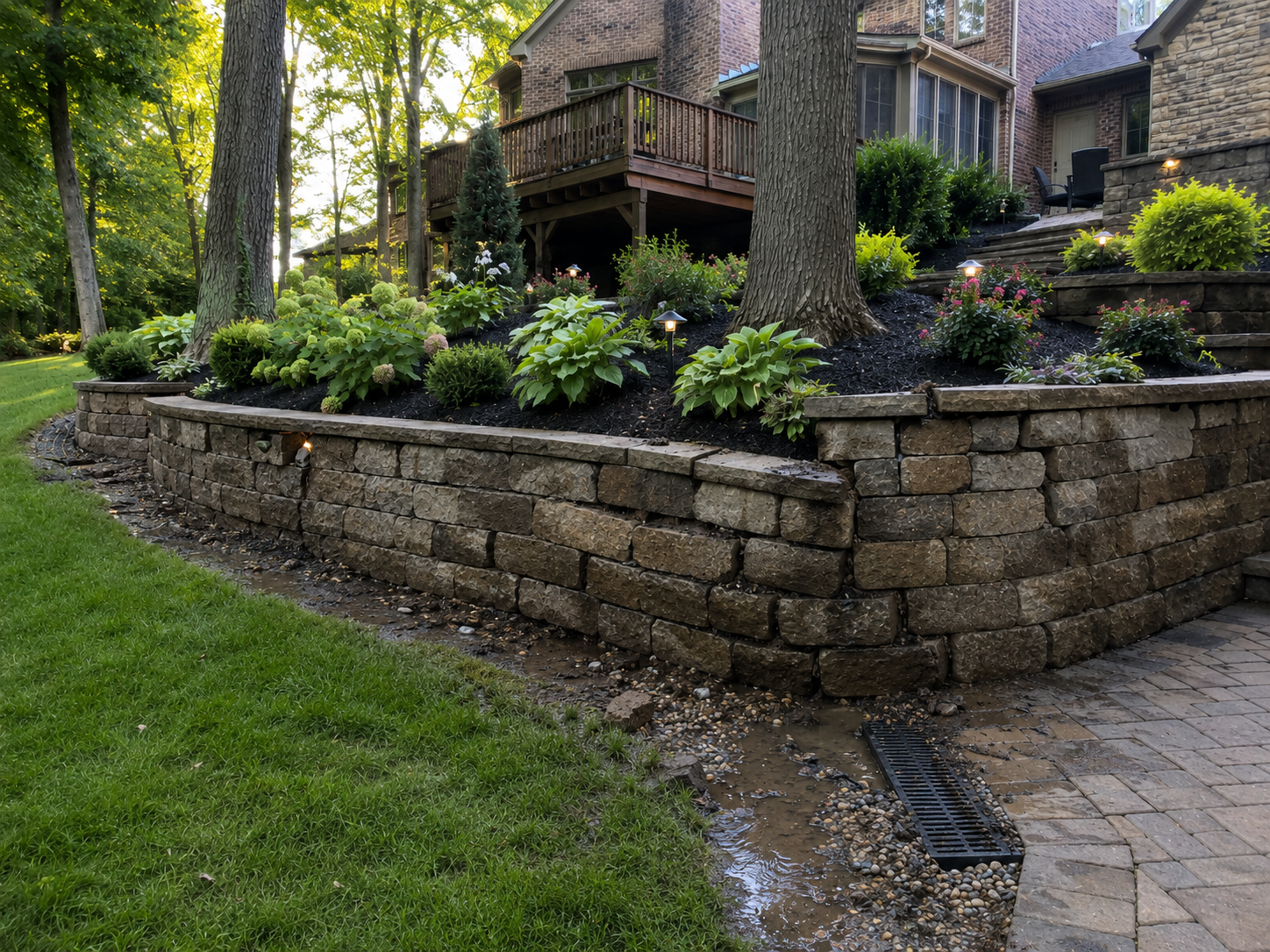
Mulch Installation By Mulch Blower Vs. The Wheelbarrow Method and Why You Should Care

Eric Gomberg • April 23, 2026

When homeowners start comparing mulch services, they usually look for a reputable company that offers the color, material, and price they have in mind. That makes sense at first.


In reality, the installation method can make a major difference in how the finished landscape looks, how long the job takes, how much disruption happens on your property, and how consistent the coverage is across your beds. That is why more homeowners are starting to look at mulch blowing vs. traditional mulch installation, rather than just comparing the mulch itself.


For many properties, especially those with larger yards or landscapes with slopes, fences, narrow side access, or multiple planting beds, mulch blowing offers a cleaner, more efficient way to get the job done. It allows crews to install mulch with more control and less traffic across the lawn, which can improve both the process and the result.


For homeowners in Pittsburgh’s South Hills who want a professional finish without unnecessary mess or delays, the method matters. G’s Landscaping offers mulch blowing services as part of a modern approach to landscaping that prioritizes efficiency, consistency, and property care.


Why Do Mulch Application Methods Merit Comparison?


Homeowners usually start asking about installation methods after seeing different results from different companies. One yard may look neat, evenly covered, and clean at the edges. Another may have uneven depth, scattered mulch in the grass, or signs of heavy traffic across the property like compressed grass.


That difference is often tied to how the mulch was installed.


Traditional installation has been common for years, and it can still work well in the right setting. But it is a more time consuming process that depends heavily on repeated loading, transporting, dumping, and spreading. On more complex properties, that process can take longer and create more wear on the lawn and surrounding areas.


Mulch blowing changes that process. Instead of moving material throughout the property by wheelbarrow, mulch is delivered directly into the bed areas via a large hose. That allows for quicker placement, better access, and more controlled coverage.


When homeowners compare mulch blowing vs traditional mulch installation, they are really comparing the overall experience as much as the final product. They want to know which method is more efficient, which creates less mess, and which is more likely to leave their landscape looking polished when the crew leaves.


What Is Mulch Blowing and How Does It Work for Landscaping Projects?


Mulch blowing is a method of installing mulch with specialized equipment that blows mulch through a hose and places it directly where it is needed. The mulch is loaded into the machine, and a trained crew controls the flow and direction of the material as it is applied.


In simple terms, it is a more direct way to move mulch from the truck to the landscape bed.


This method is especially useful for properties with large mulch areas, narrow access points, fenced backyards, uneven ground, or sloped sections that are harder to reach with a wheelbarrow. Instead of making repeated trips back and forth, the crew can place mulch where it needs to go with much less traffic across the property.


Because the hose allows controlled delivery, mulch blowing can also help create a more uniform layer. That matters for both appearance and function. Mulch that is too thin may not suppress weeds or improve moisture retention. Piled mulch that is too thick can look uneven and may not be ideal around plantings, causing plants and shrubs to suffer.


For homeowners looking for landscapers who mulch more efficiently, mulch blowing offers a practical upgrade over purely manual installation, especially for larger properties with extensive landscapes that require a lot of mulch to be laid down.


How Does Traditional Mulch Installation with Wheelbarrows and Shovels Work?


Traditional mulch installation is exactly what most homeowners picture. Mulch is dumped in a driveway or at the curb, loaded into wheelbarrows, pushed to the bed areas, dumped in piles, and then spread by hands, rakes and shovels.


This process can still be effective, especially for smaller jobs or simple front-yard beds with easy access. It is familiar, straightforward, and requires less specialized equipment to be transported to the job site.


At the same time, it has some clear limitations. The crew has to make repeated trips across the property, especially when beds are far from the mulch pile. That means more labor, more time, and more foot and wheel traffic on the lawn. On properties with hills, tight walkways, gates, or long distances from the driveway to the beds, the process becomes more physically demanding and less efficient which increases the cost that will be passed onto the property owner.


This traditional mulching method also depends heavily on hand spreading for final depth and consistency. Experienced crews can still do quality work this way, but the method itself usually involves more handling and more opportunities for uneven coverage or extra cleanup.


That does not make manual installation wrong. It simply means it is not always the best fit for every property.


What Are the Biggest Benefits of Using A Mulch Blower Instead of a Wheel Barrow?


The biggest advantage of mulch blowing is that it improves the installation process from start to finish. It can reduce labor time, limit disruption to the property, improve access to difficult areas, and create a more uniform finished look.


For property owners, that often means a quicker, cleaner, and more efficiently priced results.


For the landscaping crew, it means working more efficiently and placing mulch with greater control. That efficiency matters because the goal is not just to finish quickly. The goal is to finish well while protecting the lawn and leaving the beds looking intentional and complete and providing a sustainable landscaping service offering at a competitive price, even when the job is larger.


How Is Mulch Blowing Faster Than Traditional Mulch Installation Methods?


Speed is one of the clearest differences between the two methods.


With traditional installation, crews lose time loading wheelbarrows, transporting mulch, dumping it into piles, and returning for the next load. When a property has multiple beds spread around a larger yard, that process adds up quickly. Reducing the necessary steps without sacrificing quality is everything.


Mulch blowing removes much of that repeated handling. The mulch is moved directly through the hose and applied where it is needed. That allows the crew to cover more ground in less time and complete jobs more efficiently.


For busy homeowners, faster completion matters. Landscaping projects are easier when the crew can arrive, complete the work efficiently, and leave the property looking clean without turning a routine mulch service into a drawn-out process.


For busy contractors, this means more jobs can be fit into the day, shortening the lead time for customers who are eager to see their freshly mulched landscape.


How Does Mulch Blowing Help Prevent Lawn Damage and Mess?


One of the more practical benefits of mulch blowing is that it reduces traffic across the property. Fewer wheelbarrow trips mean less chance of tire marks, ruts, or foot traffic wear patterns in the lawn, especially if the ground is soft.


It also helps reduce the clutter that can come with repeated dumping and hand transfer. Since the mulch is applied more directly, there is often less loose material scattered across the grass, driveway, or walkways.


That cleaner process matters to homeowners who care about the condition of the whole property, not just the mulch beds. A professional service should improve the landscape without creating extra cleanup or unnecessary disruption.


How Does Mulch Blowing Provide More Even and Consistent Coverage?


Even coverage is important for both appearance and performance. Landscaped beds generally look better when the mulch depth is consistent from edge to edge, and plants benefit when the material is not piled too heavily in one area and too thin in another.


Mulch blowing allows for more controlled application, which helps create that consistency. Instead of dumping larger piles and spreading them out manually, the crew can place mulch more evenly as they move the mulch blowing hose through the bed.


The result is often a cleaner, more finished appearance with a uniform layer throughout the landscape. For homeowners who want their property to look maintained and well cared for, that polished finish is one of the strongest reasons to consider mulch blowing.


How Does Mulch Blowing Make It Easier to Reach Difficult Landscaping Areas?


Not every property is simple to service. Some have fenced yards, narrow side passages, retaining walls, sloped ground, or bed lines that wrap behind structures and plantings.


These are the situations where mulch blowing can make a noticeable difference. The hose-based system allows the crew to reach areas that maybe difficult to reach or require repeated wheelbarrow trips or a more cumbersome bucket or wheel barrow transportation method.


Many South Hills homes have layouts that are not flat or wide open. When beds extend along hillsides, around patios, or through tighter access points, the installation method becomes more important. A method that works fine on a basic or flatter layout may be less practical on a more complex one.


Is Mulch Blowing More Cost-Effective When Considering Time and Results?


Cost is not only about the lowest upfront price. It is also about the value of the result and the efficiency with which the work is completed.


In some cases, traditional installation may look like the cheaper option at first. But if mulch blowing allows the crew to complete the larger jobs faster, reduce cleanup issues, and deliver a more consistent finish, many home and property owners see that as better overall value. After all, labor and hours are usually the greatest cost contributor.


A cleaner application, less lawn disruption, and a more professional final appearance all contribute to the long-term value of the service. When comparing mulch installers in Pittsburgh, it helps to look beyond the line-item price and consider how the work is actually being done.


When Would Traditional Mulch Installation Still Be a Practical Option for Homeowners?


Traditional installation still has a place. It is a practical option for smaller areas, and simple bed layouts on properties that have a consistent grade.


If the property has easy access, limited mulch needs, and no major obstacles, manual installation may be perfectly reasonable and even preferred. That is worth acknowledging because not every project requires the same equipment or approach.


The key is matching the method to the property. For larger, more detailed, or harder-to-access landscapes, mulch blowing often provides better efficiency and better results. For small and straightforward jobs, traditional installation may work fine.


Why Does G’s Landscaping Use Mulch Blowing for South Hills Properties?


G’s Landscaping uses mulch blowing because it supports a more efficient and professional service model. It reflects an investment in better equipment and a process designed to improve consistency, reduce mess, and handle a wide range of property layouts more effectively. We are dedicated to our craft and upgrade our equipment to better serve the community.


That matters in the South Hills, where many homes have varying elevations, established beds, tight side access, and outdoor spaces that require care during service. A one-size-fits-all approach does not always work well in those settings.


Using our mulch blowers helps the landscapers at  G’s Landscaping serve homeowners who need more than a basic install. It is part of a results-driven process focused on preparation, clean application, and a finished landscape that looks polished intentional.


What Can Homeowners Expect When Having Mulch Blown Instead of Shoveled?


A professional visit should start before the mulch is even installed. Proper bed preparation matters because fresh mulch looks best and performs best when the area is clean and defined.


Typically, the process includes cleaning out the beds, defining or refreshing the edges, and preparing the area for new mulch. Once the beds are ready, the mulch is blown into place with controlled application across the designated areas using the hose.  After installation, the crew performs final touch-ups and cleanup to leave the property in good condition.


That step-by-step approach is part of what separates a professional service from a basic drop-and-spread job.


How Does Choosing the Right Mulch Installation Method Improve Your Property’s Appearance and Health?


The right method supports the right result. When mulch is installed evenly and cleanly, beds tend to look sharper, plants are less likely to be buried under excessive material, and the landscape has a more finished appearance overall.


That visual improvement is important, but so is the practical side. Consistent mulch depth can help retain moisture, suppress weeds, and moderate temperatures in planting beds. In other words, the method affects both function and appearance.


Why Should You Choose G’s Landscaping for Mulch Blowing Services in the South Hills?


Homeowners who want efficient service, cleaner results, and a more modern approach should work with a company that understands both the material and the method. G’s Landscaping brings local experience, professional equipment, and a process designed to care for South Hills properties large and small.


If you are comparing mulch blowing vs. traditional mulch installation, the difference goes beyond convenience. It affects how the work gets done and how your property looks when it is finished.


Is Mulch Blowing the Best Choice for Your Landscaping Needs in Pittsburgh?


For many properties, the answer is yes. Mulch blowing is often faster, cleaner, and more precise than traditional manual installation. It can reduce lawn disruption, improve consistency, and make it easier to service complex landscapes efficiently.


Traditional installation with shovels, buckets and wheel barrows still has its place for some smaller or simpler jobs. But for homeowners who want a professional finish and a more efficient service experience, mulch blowing is often the stronger option.


If you are looking for landscapers who mulch with a cleaner and more modern process, G’s Landscaping can help. Request a quote today to schedule mulch service for your South Hills property.
By Eric Gomberg July 21, 2026
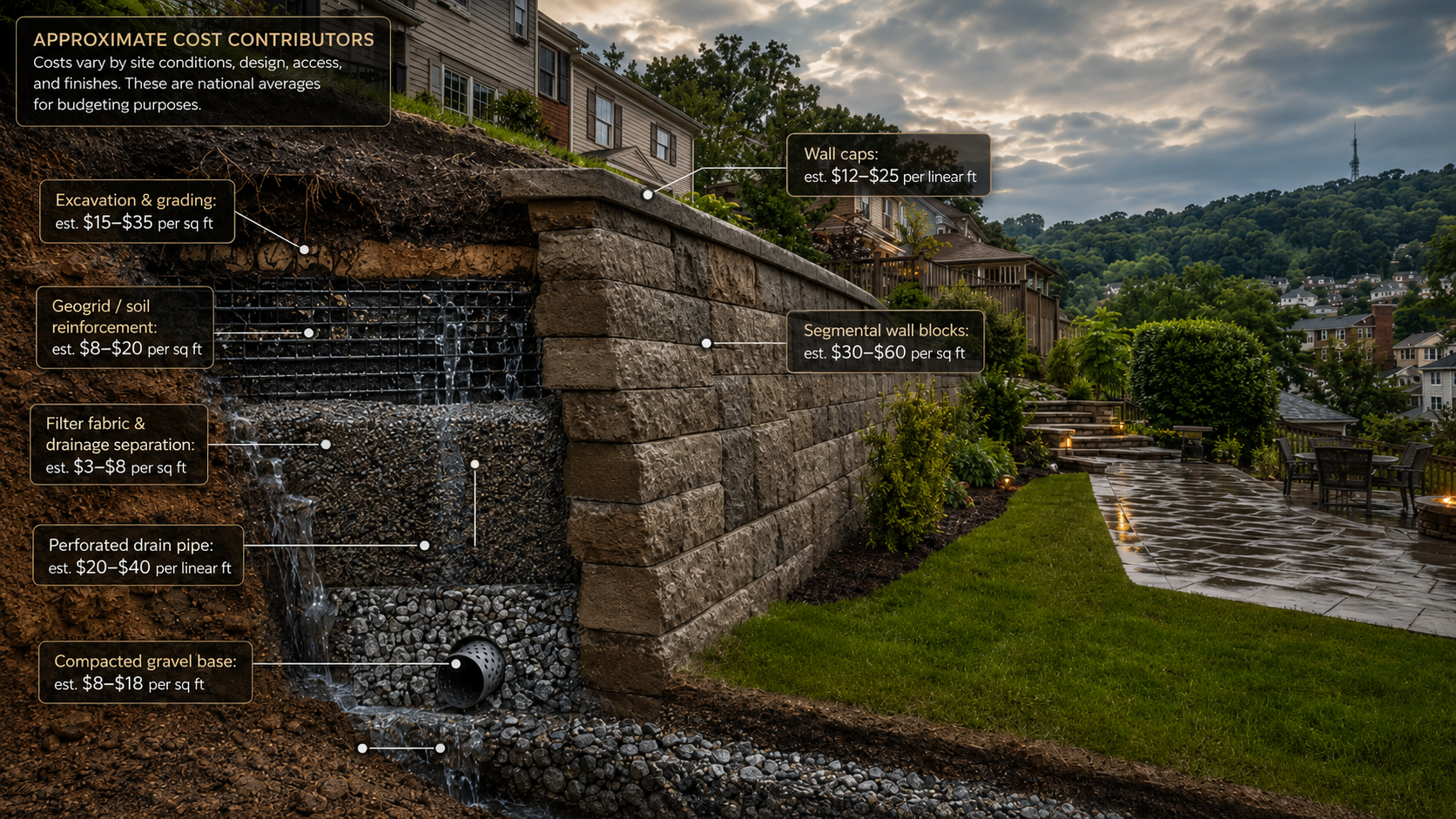
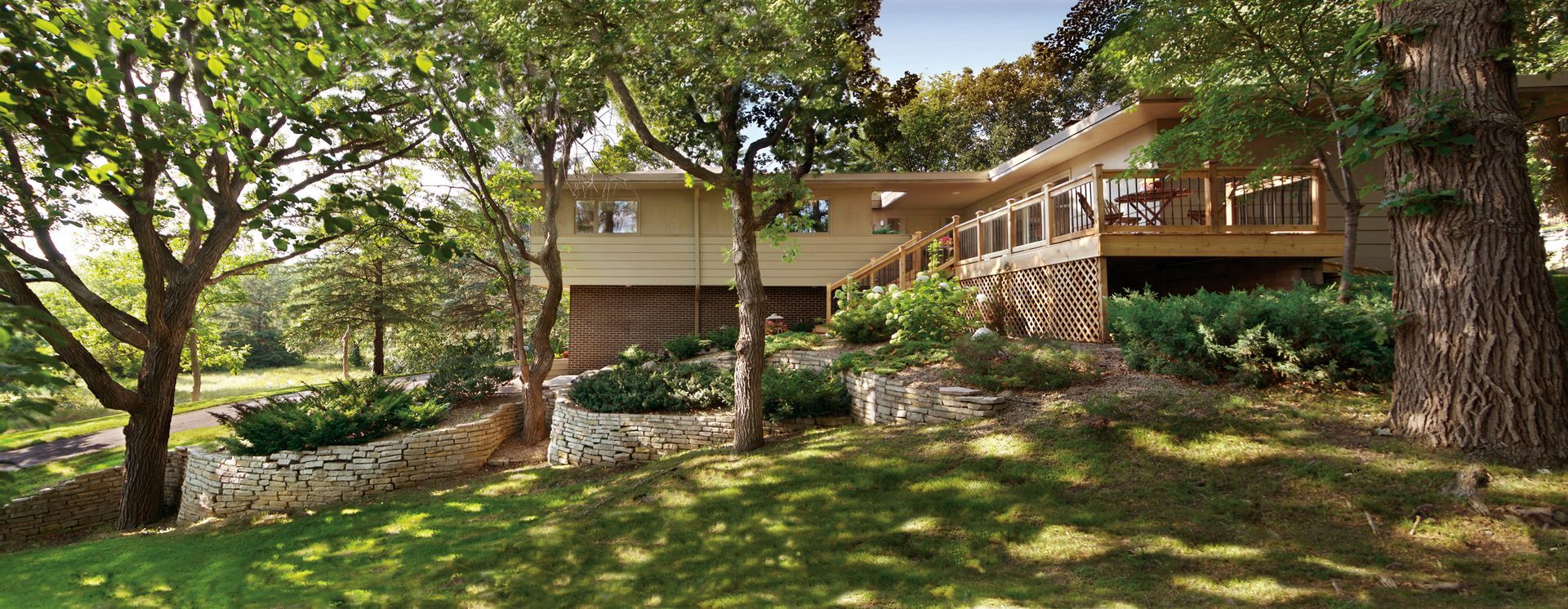
Retaining walls offer both practical and visual benefits for Pittsburgh-area homeowners. Some are built to manage slopes, reduce erosion, improve drainage, or create more usable yard space. Others are added to create a cleaner landscape design, define outdoor spaces, or improve curb appeal. Because every property is different, there is no one-size-fits-all cost for a retaining wall. A small decorative garden wall is very different from a structural wall designed to hold back soil near a driveway, patio, or foundation. Around Pittsburgh, Carnegie, and the South Hills, factors such as slopes, soil conditions, access, and drainage can all affect the final estimate. That is why many homeowners start by searching for retaining wall contractors near me. Working with experienced local professionals helps you understand what your property actually needs before making decisions about materials, design, and budget. Why Retaining Wall Installation Costs Can Vary So Much Retaining wall pricing depends on more than the visible wall. A proper estimate may include excavation, base preparation, drainage stone, backfill, labor, equipment access, reinforcement, design, and finishing work. Two walls of the same length can have very different costs depending on height and site conditions. A decorative wall around a planting bed is not priced the same as a structural wall supporting a slope. Taller walls may require deeper excavation, stronger materials, drainage pipe, geogrid reinforcement, and additional planning. The cheapest option upfront is not always the best long-term value. Poor drainage, improper base preparation, or weak construction can lead to leaning, cracking, bulging, settling, or washout. When that happens, repair or replacement costs can be much higher than the cost of building the wall correctly from the start. Wall Size, Height, and Length Size is one of the biggest factors in the cost to build a retaining wall. Longer walls require more materials, labor, excavation, and backfill. Taller walls usually require stronger construction methods and more planning. Height can significantly affect cost because retaining walls must withstand pressure from the soil behind them. As a wall gets taller, it may need a wider base, additional drainage, reinforcement, or a tiered design. Even a small increase in height can change the amount of material and labor needed. Many homeowners underestimate how much height affects the project. A short landscape wall and a tall structural retaining wall are very different projects, especially when the wall must manage a slope, runoff, or nearby outdoor space. Material Choice The material selected will affect both cost and appearance. The best choice depends on the property, budget, purpose of the wall, and desired look. Segmental concrete blocks are commonly used for residential retaining walls. They offer a clean appearance, strong performance, and design flexibility when installed with the right base, drainage, and reinforcement. Natural stone can create a more organic, high-end look. It may cost more because of the material itself and the labor required for careful placement. Poured concrete can be strong and long-lasting, but it may involve more formwork, reinforcement, engineering, and finishing. Timber may be less expensive upfront in some cases, but it often has a shorter lifespan than concrete or stone. Homeowners should consider long-term durability before choosing timber based only on initial cost. Boulder walls can work well in certain landscape designs, especially when a natural look is desired. Cost depends on stone size, equipment access, delivery, site layout, and placement. Drainage Requirements Drainage is one of the most important factors in retaining wall cost. Water pressure behind a retaining wall can cause serious problems if not managed properly. Without drainage, water can build up and cause leaning, cracking, bulging, or failure. Most retaining walls need drainage stone behind the wall. Many projects also require a perforated drain pipe to move water away from the structure. The goal is to reduce pressure and keep water from collecting behind the wall. Pittsburgh-area properties often deal with slopes, clay-heavy soil, runoff, and freeze-thaw conditions. These conditions make proper drainage especially important. A drainage system may add upfront cost, but it helps protect the wall in the long term. For homeowners dealing with slopes, drainage, or structural concerns, it helps to understand the basics of retaining wall engineering for Pittsburgh homes before starting a project. Site Conditions and Accessibility The property itself can affect the cost of retaining wall installation. Steep slopes may require more excavation, careful installation, and additional reinforcement. Poor soil conditions may require extra base preparation or a different construction approach. Access also matters. If equipment can easily reach the work area, the project may be more efficient. If the wall is in a tight backyard, on a steep hill, behind a fence, or in an area with narrow access, more work may need to be completed by hand or with smaller equipment. This is common for homes in Carnegie, Pittsburgh, and the South Hills, where properties may have hills, older layouts, narrow driveways, fences, patios, landscaping, or tight side yards. A retaining wall contractor in the South Hills should understand how these local conditions can affect labor, drainage, material delivery, and project planning. Hauling materials in and debris out can also influence the estimate. Existing patios, fences, utilities, or nearby structures can add complexity to the work. Excavation, Base Preparation, and Backfill Much of the quality of a retaining wall comes from the work homeowners do not see. The base must be properly excavated, leveled, and compacted. If the base is not built correctly, the wall can settle, shift, or lean over time. Backfill material also matters. The area behind the wall should be prepared to support drainage and reduce pressure. Depending on the wall height and purpose, reinforcement may also be needed to help stabilize the structure. Compaction is another important step. Soil and stone must be compacted correctly so the wall has the support it needs. Cutting corners during base preparation or backfill can reduce the wall’s lifespan and lead to future problems. A trustworthy contractor should explain what is happening below and behind the wall, not just what the finished front will look like. Engineering, Permits, and Structural Needs Some retaining walls require additional planning. Taller walls or walls that support heavy loads may need engineering. Walls near driveways, patios, foundations, property lines, or other structures may also require extra review. A structural wall costs more than a decorative landscape wall because it must be built to manage pressure safely. The contractor may need to consider soil conditions, slope, water movement, reinforcement, wall height, and nearby loads. Local permitting requirements may also apply depending on the municipality and project details. Because requirements can vary, homeowners should speak with a professional retaining wall contractor about what may be needed for their property. If your project involves height, slope, drainage, or structural concerns, reviewing the basics of retaining wall engineering can help explain why planning matters. Design Choices and Aesthetic Upgrades Retaining walls are often part of a larger landscape design. Some are built mainly for function, while others are designed to improve the look and usability of an outdoor space. Design details can affect cost. Curved walls may require more planning and labor than straight walls. Tiered walls can add function and visual interest, but they usually require more layout work, materials, and drainage planning. Features such as steps, caps, columns, lighting, seating walls, and planting beds can also increase cost. Matching the wall to an existing patio, walkway, outdoor living space, or hardscape design may influence material selection and layout. These upgrades can be worthwhile when the wall is part of a larger outdoor improvement plan. The key is balancing function, budget, and long-term design goals. Removal of an Existing Retaining Wall If the project involves replacing an old retaining wall, removal will affect the cost. A failing wall must be taken apart, hauled away, and properly disposed of before the new wall can be built. The contractor should also evaluate why the old wall failed. Common causes include poor drainage, inadequate base preparation, age, soil movement, or improper construction. A replacement wall should solve the underlying issue, not simply cover it up. If drainage caused the original wall to fail, the new wall should include a better drainage plan. If the base was not properly prepared, the new installation should correct that problem. Labor, Equipment, and Project Complexity Retaining wall installation is labor-intensive and often requires specialized equipment. Skilled installation affects how the wall looks, how it performs, and how long it lasts. Equipment needs vary by project. Some walls require excavation equipment, compactors, material handling equipment, and tools for cutting or fitting materials. Hard-to-access sites may require more hand labor, which can increase the time needed to complete the project. Complex walls require more planning and precision. This may include walls with curves, corners, tiers, steps, drainage challenges, or structural needs. When homeowners search for retaining wall installers nearby, they should look for a company that understands grading, drainage, base preparation, and local property conditions. How to Get an Accurate Retaining Wall Estimate The best way to understand the cost of retaining walls is through a professional evaluation. Measurements alone are not enough. A contractor needs to inspect the slope, soil, access, drainage, wall purpose, nearby structures, and overall site conditions. Before requesting an estimate, think about your goals. Are you trying to stop erosion, create usable yard space, replace a failing wall, improve curb appeal, or support a larger landscape design? Your goals will help guide material selection, design, and budget. A good estimate should clearly explain what is included. That may involve excavation, base preparation, drainage stone, pipe, backfill, reinforcement, materials, labor, and cleanup. If you are planning a wall for your property, G's Landscaping offers retaining wall installation in Pittsburgh for homeowners throughout the area. Choosing the Right Retaining Wall Contractor Choosing the right contractor is just as important as choosing the right material. Retaining walls need to be built with an understanding of soil, drainage, grading, structure, and design. When comparing retaining wall contractors near me, look for a company with local experience. Pittsburgh-area properties often include slopes, drainage challenges, older homes, and tight access points. A contractor who understands these conditions can provide better recommendations. Homeowners should also look for clear communication. The contractor should explain material options, drainage needs, base preparation, and the installation process. They should offer honest recommendations instead of one-size-fits-all pricing. If you need a retaining wall contractor in the South Hills, ask about similar projects, local experience, and how the company handles drainage and site preparation. If you are comparing retaining wall installers nearby, focus on more than just the lowest cost. Look for a contractor who can explain how the wall will be built to perform over time. Retaining Wall Cost FAQs What is the biggest factor in retaining wall cost? The biggest factors are usually wall size, height, material choice, drainage needs, and site conditions. Access, engineering, design details, and removal of an old wall can also affect the final estimate. Do all retaining walls need drainage? Most retaining walls need some drainage system to reduce water pressure behind the wall. Drainage stone, perforated pipe, and proper backfill can help protect the wall long term. Is a taller retaining wall more expensive? Yes. Taller walls often require more materials, deeper base preparation, reinforcement, drainage, and sometimes engineering. Can a retaining wall improve curb appeal? Yes. Retaining walls can define outdoor spaces, create planting areas, manage slopes, and improve the overall appearance of a landscape. Should I hire a professional retaining wall contractor? Yes, especially if the wall is tall, structural, near a driveway or home, or needed to control erosion or drainage. Retaining Wall Cost Depends on Job Size, Materials, Soil and Engineering. Retaining wall costs depend on many factors, including wall size, height, materials, drainage, soil conditions, access, engineering requirements, removal needs, and design choices. While many homeowners want a quick price, an accurate estimate requires a closer look at the property and the purpose of the wall. A well-built retaining wall is more than a row of blocks or stones. It is a system that needs the right base, drainage, backfill, reinforcement, and design. Taking time to plan the project properly can help protect your investment and reduce the risk of future problems. Whether you want a retaining wall to protect your property, create more usable outdoor space, or improve your landscape design, G's Landscaping can help you understand your options. Contact the team today to discuss professional retaining wall installation for your Pittsburgh-area home.
By Eric Gomberg June 19, 2026
Retaining walls are a common part of residential landscaping throughout Carnegie and the South Hills of Pittsburgh. With so many homes built on sloped lots, uneven yards, and properties affected by runoff, a retaining wall can do more than improve appearance. It can help manage soil, support grades, direct drainage, and create more practical outdoor space. For homeowners, the key is understanding that a retaining wall is not just a decorative landscape feature. Even a backyard wall needs careful planning to withstand pressure from soil, water, and changing weather conditions. Proper installation matters, especially in Western Pennsylvania, where slopes, clay-heavy soil, freeze-thaw cycles, and drainage concerns can all affect long-term performance. If you are considering a new wall, replacing an older wall, or making better use of a sloped yard, here is what to know before starting a retaining wall installation project in Carnegie or the surrounding South Hills area. Why Retaining Walls Matter for South Hills Properties Retaining walls are especially useful in areas with hilly terrain. Many South Hills neighborhoods have properties where the front yard, backyard, driveway, or side yard sits on a noticeable grade. Without proper support, soil can shift over time, especially after heavy rain or repeated freeze-thaw cycles. A main purpose of a retaining wall is to control erosion. A well-built wall helps hold soil in place and can reduce washout around patios, driveways, gardens, and foundations. This is especially important on properties where stormwater naturally moves downhill or where bare soil is exposed. Retaining walls can also help homeowners create more usable yard space. A sloped backyard may be difficult to mow, landscape, or enjoy. By creating level areas, a wall can provide space for a patio, garden bed, play area, walkway, or outdoor seating. For many homeowners, this is one of the biggest benefits of South Hills retaining wall installation. There is also an aesthetic benefit. A properly designed wall can add structure, definition, and curb appeal to a property. Whether the goal is a clean front-yard border, a terraced backyard, or a more polished outdoor living area, retaining walls can improve both function and appearance when they are planned with the home and landscape in mind. Structural and Engineering Basics Before choosing materials or design details, it is important to understand what a retaining wall needs to do structurally . A retaining wall must resist the pressure of the soil behind it. That pressure increases when water builds up, which is why drainage is one of the most important parts of the project. Western Pennsylvania properties often have dense, clay-heavy soil. Clay soil can hold water, expand, and become heavy when saturated. This does not mean a retaining wall cannot be built successfully, but it does mean the wall needs proper drainage, base preparation, and backfill. A durable wall typically starts with excavation and a compacted base. The base helps keep the wall level and stable. If the base is not prepared correctly, the wall may settle unevenly, lean, crack, or separate over time. Drainage systems are also critical. Depending on the wall and site conditions, drainage may include clean stone behind the wall, perforated pipe, filter fabric, and a proper outlet for water. The goal is to prevent hydrostatic pressure from building behind the wall. When water has nowhere to go, it can push against the wall, contributing to failure. Wall height also matters. Short garden walls may be fairly straightforward, while taller walls often require additional reinforcement or engineering guidance. Some walls may need geogrid reinforcement, stepped construction, or special design considerations based on the slope, soil, and load above the wall. Improper retaining walls often fail for the same reasons: poor drainage, weak base preparation, lack of reinforcement, incorrect backfill, or underestimating the force of soil and water. This is why hiring an experienced retaining wall contractor can make a major difference. Planning Your Retaining Wall Project A successful retaining wall project starts with planning. Before installation begins, homeowners should consider the wall's purpose, location, height, drainage needs, and how the surrounding property will be affected. Permits and local requirements are an important part of this step. Requirements can vary by municipality, and Carnegie, South Hills boroughs, and nearby townships may have different rules for retaining walls based on height, location, property lines, or proximity to structures. Homeowners should verify local requirements before work begins. A professional retaining wall company in Pittsburgh can often help identify what questions need to be asked and what information may be needed. Utility marking is another important step. Before excavation, underground utilities should be marked through Pennsylvania's standard utility notification process. This helps reduce the risk of hitting gas, electric, water, sewer, or communication lines. Property lines should also be considered. A retaining wall placed too close to a neighboring property can lead to disputes or drainage concerns. If the wall is near a boundary, fence, driveway, or shared slope, it may be wise to confirm the property line before construction. Site access can also affect the project. Many older neighborhoods in Carnegie and the South Hills feature narrow driveways, tight side yards, mature landscaping, and limited access to equipment. These conditions can influence excavation methods, material delivery, project timeline, and labor needs. Grading is another key consideration. A retaining wall should fit into the overall drainage and elevation plan for the yard. The area above and below the wall may need to be graded so water moves safely and does not collect where it can cause future problems. Design and Material Options Retaining walls can be constructed from several materials, and the right choice depends on the wall's purpose, height, budget, style, and maintenance expectations. Concrete block systems are a common option for residential retaining walls. They are designed for strength, consistency, and a clean finished appearance. Segmental block walls can work well in many landscapes and are available in a range of colors, textures, and styles. Natural stone offers a more traditional look and can blend nicely with Pittsburgh-area homes, especially older brick, stone, or craftsman-style properties. Stone can create a timeless appearance, though installation methods and structural needs vary based on the wall type and site conditions. Timber walls may be used in some landscape applications, but homeowners should understand that wood generally has a shorter lifespan than stone or concrete systems. Moisture exposure, soil contact, and age can all affect durability. For long-term retaining needs, many homeowners choose block or stone instead. The wall should also fit the property's style. A backyard retaining wall in Pittsburgh does not need to feel disconnected from the home. The material, color, shape, and layout should work with existing patios, walkways, steps, garden beds, and exterior features. Functional add-ons can make the wall more useful. Steps can improve access between levels of the yard. Seating walls can support outdoor entertaining areas. Terraced walls can create planting zones or break up a steep slope into more manageable, usable sections. What to Expect from a Retaining Wall Contractor A professional retaining wall contractor should do more than stack blocks or stones. The contractor should evaluate the site, discuss the wall's purpose, consider drainage, review access, and explain the installation process. The process often begins with a consultation or site visit. During this stage, the contractor may assess the slope, soil, water flow, nearby structures, access points, and the condition of any existing walls. They should also discuss what the homeowner wants to accomplish, whether that is stabilizing a slope, replacing a failing wall, expanding usable space, or improving the landscape design. From there, the project may include planning, material selection, excavation, base preparation, wall construction, drainage installation, backfilling, grading, and cleanup. The timeline will depend on the size and complexity of the wall, site access, weather, materials, and whether permits or engineering are needed. Before hiring retaining wall installers near me, homeowners should ask practical questions, such as: What type of wall do you recommend for this site? How will drainage be handled? Will the wall need reinforcement? Are permits or municipal approvals required? How will excavation and access be managed? What materials do you recommend and why? What maintenance should I expect after installation? Clear answers to these questions can help homeowners feel more confident before the project begins. When to Call a Retaining Wall Company in Pittsburgh Some retaining wall needs are obvious. If an existing wall is leaning, bulging, cracking, separating, or allowing soil to wash out, it should be evaluated. These can be signs that the wall is no longer performing properly. Other signs may be less dramatic. Pooling water, erosion on a slope, mulch or soil washing into the driveway, an unusable steep yard, or repeated drainage issues can all indicate that a retaining wall may help. Homeowners often wonder who builds retaining walls and whether a project can be handled as a DIY job. Small decorative garden walls may be manageable for some homeowners, but structural retaining walls require more planning. Once a wall is holding back a slope, supporting a grade, or dealing with drainage, professional guidance is usually the safer choice. A poorly built wall can become more expensive to fix later, especially if it fails, damages landscaping, affects drainage, or needs to be removed and rebuilt. Working with an experienced retaining wall company in Pittsburgh can help ensure the project is planned around the property's actual conditions. We, G's Landscaping, are open 7am to 4pm every day except Sunday as of this article's posting, check our business hours and call to discuss retaining walls . Call G's Landscaping About Retaining Walls in Carnegie and the South Hills If you are planning a retaining wall installation in Carnegie, PA, or anywhere in the South Hills of Pittsburgh, G's Landscaping can help you evaluate your property and understand your options. From slope management and drainage concerns to backyard upgrades and landscape design, the right retaining wall can improve both the function and appearance of your outdoor space. G's Landscaping brings local knowledge of the terrain in Carnegie and the South Hills, helping homeowners plan retaining walls that fit their property, goals, and long-term needs. To get started, contact G's Landscaping to schedule a consultation and discuss the best approach for your retaining wall project.
By Eric Gomberg May 22, 2026
When homeowners think about retaining walls, the first thing that often comes to mind is appearance. Color, block style, stone texture, and how the wall fits into the landscape all matter, but the long-term performance of a retaining wall depends on what happens behind and below it. A retaining wall is built primarily to hold back soil. That means it has to manage pressure, moisture, movement, and changes in grade. In Pittsburgh's South Hills, where many homes are built on sloped lots, retaining wall construction must account for soil conditions, drainage, freeze-thaw cycles, and how water moves across the property. Many wall problems stem from the same basic issues: poor drainage, weak base preparation for retaining walls, lack of reinforcement, or a wall design that does not match the slope or soil behind it. Understanding these engineering basics can help homeowners ask better questions before hiring a retaining wall contractor. Understanding Local Soil Composition Around Retaining Walls Soil plays a major role in how a retaining wall performs. The type of soil behind the wall affects how much pressure the wall must resist and how well water drains through the area. In many Pittsburgh-area landscapes, homeowners may find a mix of clay, loam, and fill soil. Clay-heavy soil can hold moisture and become dense when wet. This creates more pressure behind a wall, especially after heavy rain. Loam is generally more balanced and may drain more easily, depending on the site. Fill soil can vary widely because it may include disturbed or imported material from previous grading, construction, or landscaping. For retaining walls, consistency matters. If the soil behind the wall shifts, settles, or traps water, the wall may experience uneven pressure. This can lead to leaning, bulging, separation, or drainage problems over time. Pittsburgh retaining wall soil conditions can also change from one property to the next. A home on a steep backyard slope may require a different approach than one with a short decorative wall near a garden bed. This is why site evaluation is an important first step. A contractor should consider the slope, water flow, soil conditions, and the wall's purpose before recommending a design. The Role of Drainage Systems In Retaining Wall Stability Drainage is one of the most important parts of retaining wall construction. Even a strong wall can fail if water is allowed to build up behind it. When soil behind a wall becomes saturated, water creates pressure against the wall. This is called hydrostatic pressure. In simple terms, wet soil becomes heavier, and trapped water pushes against the wall from behind. Over time, that pressure can cause the wall to lean, bulge, crack, or move. A proper retaining wall drainage system provides a place for water to go. Depending on the wall and site conditions, this may include gravel backfill, a perforated drain pipe, filter fabric, and a drainage outlet. Gravel behind the wall allows water to move more freely than compacted soil. A perforated pipe can help collect and redirect water away from the wall. Drainage should be planned before the wall is built, not added as an afterthought. If water is trapped behind the wall with no clear path out, the structure is more likely to develop problems. This is one of the main reasons why retaining walls fail. Homeowners should ask any retaining wall contractor how drainage will be handled. A clear answer should include more than "water will drain naturally." In sloped South Hills yards, water movement needs to be intentionally managed. Building a Stable Foundation A retaining wall needs a solid base. The base supports the wall's weight and helps keep it level over time. If the base settles unevenly, the wall above it may shift, lean, or separate. Proper retaining wall base preparation usually includes excavation, compacted aggregate, and careful leveling. Aggregate is commonly used because it can be compacted into a stable foundation while allowing some drainage. Dirt alone is not a suitable base because it can hold moisture, settle, and shift under the weight of the wall. The base also helps protect the wall during seasonal changes. Pennsylvania weather includes freeze-thaw cycles, which means moisture in the ground can freeze, expand, thaw, and move. If the base is not prepared correctly, this movement can affect wall stability. Frost considerations are especially important for walls that support a slope, driveway area, or other load. While the exact construction approach depends on the wall height, soil, and site conditions, the base should be built with local climate and ground movement in mind. Reinforcement and Wall Strength Not every retaining wall needs the same level of reinforcement. A short garden wall and a tall slope-supporting wall have very different structural demands. For taller walls or walls holding back significant soil, geogrid may be used. A geogrid retaining wall includes layers of synthetic reinforcement that extend back into the soil behind the wall. These layers help tie the wall and soil mass together, improving overall stability. Embedment is another important factor. This refers to how much of the wall's first course, or base area, is set below the finished grade. Proper embedment helps resist sliding and movement at the bottom of the wall. Wall batter also affects stability. Batter means the wall leans slightly back into the retained soil. This is often built into retaining wall systems to distribute pressure better. The amount of batter and reinforcement needed depends on the wall design, height, soil, and load conditions. A professional contractor should consider all of these factors before construction begins. Wall strength is not only about the visible block or stone. It also depends on the base, drainage, backfill, reinforcement, and the wall's interaction with the surrounding slope. External Forces and Load Considerations Retaining walls do not only deal with soil pressure. They may also be affected by nearby loads. These are often called surcharge loads. A surcharge load can come from a driveway, parking area, patio, shed, structure, or heavy equipment near the top of the wall. These loads add pressure to the soil behind the wall, potentially requiring a stronger design. Slope stability is another concern. If the wall is built at the bottom of a steep hill, it may be holding back more than a small amount of soil. In some cases, a tiered wall system may be more appropriate than one tall wall. Tiered walls can help manage grade changes in stages, but they still need proper spacing, drainage, and design. Older Pittsburgh-area neighborhoods can also present access challenges. Tight side yards, narrow driveways, existing steps, fences, and mature landscaping can affect excavation and installation. These site conditions do not prevent a wall from being built, but they should be considered during planning. Signs of Structural Issues Existing retaining walls often show warning signs before they fail. Homeowners should pay attention to visible changes in the wall and the surrounding ground. A leaning wall may indicate pressure behind the wall, poor drainage, weak base preparation, or lack of reinforcement. Bulging can suggest that the wall is being pushed outward by soil or water. Cracking, separation, or blocks shifting out of alignment may also point to structural stress. Water pooling near the wall is another concern. Standing water above, behind, or at the base of the wall can indicate drainage problems. Soil washing out from behind the wall, sinkholes near the top, or wet areas that do not dry out should also be evaluated. Small issues can become larger over time, especially after repeated rain, snow, and freeze-thaw cycles. If a wall is already leaning, bulging, or holding water, it is better to have it looked at before the problem becomes more difficult to correct. Talk to G's Landscaping About Retaining Wall Stability If you are concerned about an existing retaining wall or planning a new installation, G's Landscaping can help evaluate your property and explain your options. Retaining walls in Pittsburgh and the South Hills need to be built with local slopes, soil, drainage, and access challenges in mind. From retaining wall drainage systems to base preparation and reinforcement planning, G's Landscaping can help homeowners understand what their property needs before work begins. To schedule an inspection or consultation, contact G's Landscaping and take the next step toward a retaining wall built with stability, functionality, and long-term performance in mind.